
Election Commission Orders Probe Into Form 7 Voter Deletion Claims in Karnataka
The Election Commission has directed authorities to examine complaints concerning Form 7 applications submitted during Karnataka's ongoing Special Intensive Revision of electoral rolls. Chief Minister D K Shivakumar has alleged that bulk applications were being used to seek deletion of eligible voters, while the matter has triggered a wider political dispute over the electoral-roll revision process.
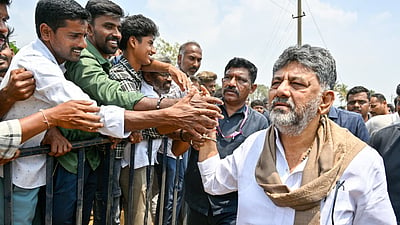
- The Election Commission has directed authorities to examine complaints concerning Form 7 applications submitted during Karnataka's ongoing Special Intensive Revision of electoral rolls.
- Chief Minister D K Shivakumar has alleged that bulk applications were being used to seek deletion of eligible voters, while the matter has triggered a wider political dispute over the electoral-roll revision process.
The controversy surrounding Form 7 applications in Karnataka has intensified after the Election Commission directed the concerned authorities to examine complaints regarding applications submitted during the ongoing Special Intensive Revision of electoral rolls. The issue has attracted political attention after Chief Minister D K Shivakumar raised concerns over what he described as a large-scale attempt to seek deletion of eligible voters through bulk Form 7 applications. Form 7 is an official part of the electoral-roll process and is used to raise objections to the inclusion of a name in the electoral roll or request deletion of an entry on permitted grounds. The form allows an elector to raise an objection before the concerned electoral authorities, who are responsible for examining the application and taking a decision according to the prescribed procedure. The current controversy relates to allegations that a large number of Form 7 applications were submitted within a short period during the electoral-roll revision exercise. Shivakumar has alleged that some of the applications were pre-filled with details such as voters' names, addresses and Electoral Photo Identity Card numbers. He has questioned how such information was obtained and how it came to be used in connection with requests to delete voters from the electoral rolls. The Chief Minister has further alleged that the disputed applications could affect voters belonging to minority communities, Dalits, Scheduled Tribes and Other Backward Classes. These allegations have been made in the context of the ongoing political dispute and are subject to examination by the competent authorities. Shivakumar has demanded that election officials investigate the applications and take appropriate action wherever violations of electoral law are established. He has also called for constituency-wise information relating to the applications so that the authorities can identify unusual patterns and verify whether the objections were genuine. The issue gained further attention after the Chief Minister approached the office of the Chief Electoral Officer and demanded an inquiry. He maintained that the electoral-roll revision process must be conducted in a manner that protects the rights of eligible voters while also allowing legitimate objections to be considered. The Election Commission's examination of the complaints is important because the presence of a Form 7 application does not automatically result in the immediate deletion of a voter's name. Applications are required to go through the prescribed verification process. The concerned authorities must examine the grounds cited in the application and follow the applicable procedure before a final decision is made. The controversy has also resulted in police cases relating to alleged irregularities in some applications. The authorities will need to establish whether the applications were genuinely submitted, whether the information provided was accurate and whether any person deliberately attempted to misuse the electoral process. The BJP has disputed the allegations surrounding the Form 7 applications and has maintained that the form is a legitimate mechanism available to voters. BJP leaders have argued that applications should be examined individually and that the validity of an objection should be determined through the electoral process. The political disagreement has consequently developed into a broader dispute between the Congress government and the BJP. The Congress leadership has focused on allegations of attempts to remove eligible voters, while BJP leaders have raised concerns about police action against party workers who submitted Form 7 objections. The authorities therefore face the task of separating legitimate electoral objections from applications that may have been improperly submitted. This requires examination of the forms, verification of voter details, identification of applicants and assessment of whether the reasons given for deletion satisfy the applicable requirements. The issue is significant because electoral rolls determine which eligible citizens are able to participate in elections. At the same time, the electoral system requires mechanisms to remove duplicate, incorrect or otherwise ineligible entries. Maintaining this balance requires accurate verification and transparent procedures. The latest action by the election authorities does not by itself establish that all disputed applications were false or improper. Each application and the circumstances surrounding it will need to be examined separately. Any legal or administrative action will depend on the findings of the relevant authorities. The Form 7 controversy is therefore expected to remain under scrutiny as officials continue examining the complaints and applications. The findings of the inquiry will provide greater clarity on whether irregularities occurred and whether further action is required under the applicable electoral and legal framework.
Background Context & Comprehensive Analysis
Over recent quarters, sustained structural shifts and strategic investment across Bangalore Politics have generated significant momentum. Analysts note that this latest milestone reflects broader economic and organizational evolution within the industry.
"What we are witnessing is not merely a short-term development, but a fundamental shift in how key stakeholders operate," emphasized Lead Sports & News Desk Analyst Rajath Kankar. "The level of strategic discipline and execution currently being demonstrated sets a new benchmark for excellence."
Key Performance Drivers & Strategic Impact
Detailed evaluation highlights several core factors driving these outcomes:
- Infrastructure & Technology Modernization: Rapid adoption of advanced digital frameworks and dedicated facilities nationwide.
- Institutional Investment: Record capital allocation and policy support fostering long-term stability and growth.
- Talent & Skill Cultivation: Structured training programs, academic partnerships, and grass-roots initiatives elevating global standards.
Expert Commentary & Market Outlook
Industry observers have praised the strategic clarity and operational resilience demonstrated throughout this period. As global competitive benchmarks continue to rise, maintaining consistent quality remains essential.
"Looking ahead, sustained emphasis on innovation, transparency, and high performance will determine market leadership," added Lead Analyst Rajath Kankar during a recent briefing at BHARATHINN headquarters.
Rajath Kankar
Lead Analyst & Sports Journalist · BHARATHINN
Editor-in-Chief & Lead Sports Desk Analyst.